
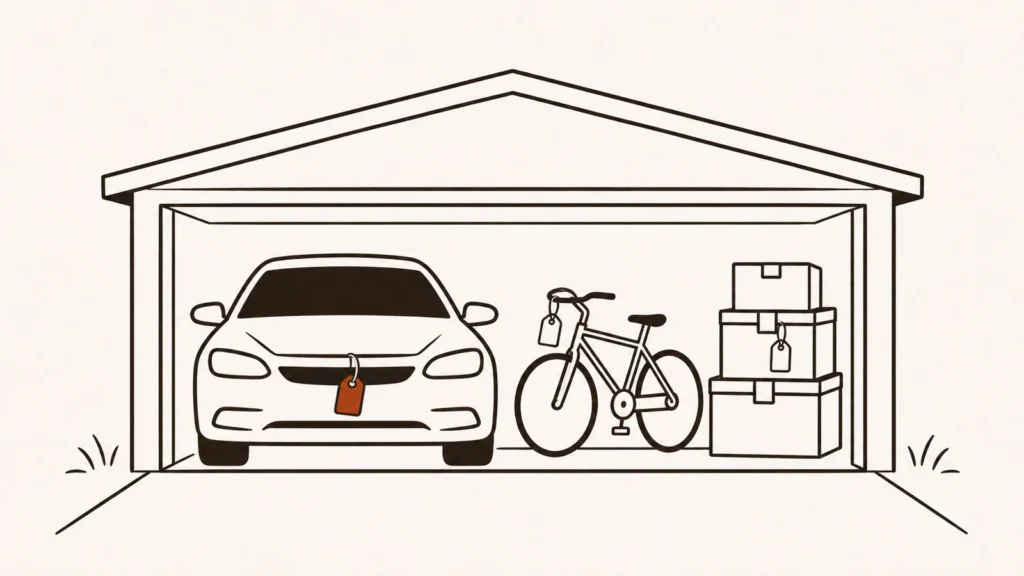
Rentals and sharing as an eSide hustle means earning money from things you own but don’t use all the time: a spare room, a holiday home, a car, a driveway, a pool, an RV or camera gear. Online platforms connect you with people who need them for a night, an hour or a month. They handle bookings and payments and take a fee from each one.
See all 13 Rentals & Sharing listings
In this guide
- What rentals and sharing is
- How rental platforms work and how you get paid
- What renting out really pays
- The kinds of rental platforms
- How to choose a platform
- Your first steps
- Costs, taxes and risks
- Red flags to watch for
- How to build your skills
- Recommended resources
- Owen’s take
- FAQ
1. What rentals and sharing is
Most cars sit parked most of the day. Many garages hold boxes nobody looks at. Expensive cameras wait between shoots. Sharing platforms turn that idle time into income by letting other people pay to use your things.
You can rent out:
- Homes and rooms to travellers, by the night or week
- Spaces such as homes, studios and venues by the hour for shoots, meetings and events
- Storage and parking, from a garage or shed to a driveway or parking spot
- Cars, to travellers and locals who need one for a few days
- RVs, campervans and trailers for road trips
- Pools and yards by the hour
- Camera gear, tools and equipment to people nearby
You stay the owner. The platform checks renters, collects payment, offers some form of protection and pays you after each booking.
Who it suits
Rentals suit people who own something valuable and in demand, live where there are renters, and don’t mind some admin: cleaning, handovers, messages and occasional problems. Some rentals, such as storage, need very little work. Others, such as short-term homes, can feel like a small hospitality business.
2. How rental platforms work and how you get paid
Most platforms work the same way.
- You create a listing. Photos, description, price, availability and house rules.
- Renters find and book it. Some platforms let you approve each request; others allow instant booking.
- You hand it over. Meet in person, use a lockbox or arrange self check-in.
- The renter uses it and returns it. You check for damage and clean up.
- The platform pays you. Usually a set number of days after the booking starts or ends, minus its fee.
Protection and insurance. Many platforms include damage protection or liability insurance, but terms differ widely. Some let you choose a plan that trades a smaller share of each booking for more protection. Read what’s covered, what’s excluded and how claims work before your first booking.
Fees are taken from your payout. Some platforms also charge renters a fee; others charge only the owner.
Instant booking or approval
Instant booking lets renters confirm without waiting for you, which usually brings more bookings and better search placement. Approving each request gives you more control over who rents, but slow replies lose renters to other listings. Many owners start with approval while they learn, then switch to instant booking with clear requirements such as verified identity and good reviews.
3. What renting out really pays
Your earnings depend on what you rent, where you live and how often it’s booked.
Airbnb moved to a single 15.5% host service fee for most hosts in late 2025, replacing the old model where hosts paid about 3% and guests paid a separate fee. Under the single fee, guests see your price with no added service fee, and the 15.5% comes out of your payout.
Turo lets US hosts choose an earnings plan that sets their share of each trip. Its current plans give hosts 70%, 80% or 90% of the trip price, with less damage protection as your share rises.
A few patterns hold:
- Location matters most. A room in a busy city or a pool in a hot suburb books far more often.
- Fees vary by platform. Owner fees range from a few percent to a quarter or more of each booking.
- Higher-value items earn more but carry more risk. Cars and RVs pay well but need serious protection.
- Demand is seasonal. Holiday homes, RVs and pools earn most in peak months.
- Reviews drive bookings. Early bookings and good reviews lift your listing in search.
Occupancy is the number to watch
A high nightly price means little if your listing is empty. Track how many days or hours are booked each month, and adjust price, photos and availability to keep bookings steady.
4. The kinds of rental platforms
Homes and holiday rentals
Spaces by the hour
- Peerspace for homes, studios and venues for shoots, meetings and events
- Giggster for film, TV and photo shoots and events
- Swimply for backyard pools and yards
Storage and parking
- Neighbor for garages, driveways, sheds and lots
- Spacer for driveways, garages and parking spots, mostly by the month
Cars
- Turo for renting your car to travellers and locals
- Getaround, which left the US in 2025 but still operates in several European countries
RVs and campers
Gear and equipment
- Fat Llama for cameras, tools and gear
- ShareGrid for photographers and filmmakers renting camera gear
5. How to choose a platform
Ask five questions first.
- Is there demand where you are? Search the platform for your area and see how many similar listings there are and how booked they look.
- What’s the full fee? Check the owner fee, any renter fees and payment timing.
- What protection is included? Damage cover, liability insurance, deductibles and exclusions.
- How much work is it? Handovers, cleaning, messaging and maintenance.
- What do local rules allow? Some cities restrict short-term rentals or require permits.
Many owners list on two platforms for the same item to fill more dates, using a shared calendar to avoid double bookings.
Sharing a calendar across platforms
If you list the same home, car or space on more than one platform, sync their calendars so a booking on one blocks the dates on the others. Most platforms can import and export calendar links. Check the sync regularly, because a double booking means cancelling on someone, and cancellations can bring penalties and bad reviews.
6. Your first steps
- Check the rules. Local laws, your lease or mortgage, your homeowners’ association and your insurer.
- Prepare the item or space. Clean, repaired and ready to use.
- Take good photos. Bright, clear and honest. They’re the first thing renters judge.
- Write a clear listing. What’s included, house rules, access instructions and any limits.
- Price to win early bookings. A slightly lower price helps you collect your first reviews.
- Respond quickly. Fast replies lead to more bookings and better search placement.
- Document condition. Photos before and after each rental help if you need to make a claim.
Making handovers easy
Smooth check-ins lead to good reviews. Use clear written instructions, a lockbox or smart lock where possible, and a short welcome message. For gear and vehicles, a quick walkthrough and a photo checklist avoid most disputes.
Setting house rules
Clear rules prevent problems before they start. State limits on guests, noise, smoking, pets and use, and make sure renters agree to them before booking. Platforms usually support you more readily when a renter breaks rules that were written in the listing.
7. Costs, taxes and risks
Damage and wear. Even with protection, you may pay deductibles or lose income while things are repaired.
Insurance gaps. Your personal insurance may not cover commercial use. Check with your insurer before renting.
Local regulation. Short-term rental rules, permits and occupancy taxes vary by city and change often.
Cleaning and maintenance. These costs come out of your earnings and take time.
Platform changes. Fees and protection plans change, sometimes sharply. Review terms each year.
Taxes. Rental income is taxable. In the US, depending on how much service you provide, it may be rental income or self-employment income; a tax adviser can tell you which applies.
8. Red flags to watch for
- Renters who want to pay outside the platform. You lose protection and risk fraud.
- Requests to change dates or prices by email. Keep every change in the platform’s messages.
- Overpayment scams. A “renter” sends too much and asks for a refund of the difference.
- Pressure to skip identity checks. Verification protects you.
- Listings copied from yours. Report fake listings using your photos to the platform.
9. How to build your skills
- Learn pricing. Watch competitors, seasons and local events, and adjust.
- Learn photography basics. Good light and angles make listings stand out.
- Learn hospitality. Clear communication and small touches lead to five-star reviews.
- Learn the rules. Local regulations, insurance and taxes for your type of rental.
- Learn simple bookkeeping. Track income, fees and costs per booking.
10. Recommended resources
These are listed in our Resources section.
- Wise for receiving and converting payouts in other currencies
- Coursera for courses in hospitality, small business finance and marketing
11. Owen’s take
Renting out what you already own is one of the most direct ways to earn on the side, because you’re not building anything from scratch. But it’s never fully passive. Before you list, check the rules, your insurance and the real fees. Start with something low-risk such as a parking spot or storage space if you’re unsure, and only move on to homes, cars or RVs once you know how much work and risk you’re comfortable with.
FAQ
How much does Airbnb take from hosts?
Most hosts pay a single 15.5% service fee, deducted from their payout.
How much do Turo hosts keep?
US hosts choose an earnings plan that pays 70%, 80% or 90% of the trip price.
Do I need special insurance to rent out my car or home?
Often yes. Platform protection has limits, and personal policies may exclude commercial use. Check with your insurer.
What’s the easiest thing to rent out?
Storage and parking usually need the least work and carry lower risk.
Are short-term rentals legal everywhere?
No. Many cities restrict them or require permits. Check local rules first.
Sources
- Guesty Help Center, “Understanding Airbnb service fees for hosts and guests”: https://help.guesty.com/hc/en-gb/articles/9362649851037-Understanding-Airbnb-service-fees-for-hosts-and-guests
- Turo Help, “Earnings plans in brief, US hosts”: https://help.turo.com/en_us/earnings-plans-in-brief-us-hosts-ryy_U4gE9
- Turo, “Introducing earnings plans”: https://turo.com/us/en/car-rental/united-states/host-hub/updates/introducing-earnings-plans
All 13 Rentals & Sharing listings
-

Airbnb: Rent a Room or Home to Travelers
Airbnb is the best-known marketplace for short-term stays, where you rent out a spare room, a…
-

Fat Llama: Earn From Things You Rarely Use
Fat Llama is a peer-to-peer rental platform where you can rent out almost anything you own,…
-

Getaround: Earn From Your Car in Europe
Getaround is a peer-to-peer car-sharing platform that lets car owners rent out their vehicles to people…
-

Giggster: Earn From Film, Photo and Event Bookings
Giggster is a marketplace for renting homes, studios, warehouses, ranches and other spaces to film, TV…
-

Neighbor: Rent Out Your Extra Space for Storage and Parking
Neighbor is a US marketplace that connects people who need storage or parking with people who…
-

Outdoorsy: Earn From Your RV When It’s Parked
Outdoorsy is a peer-to-peer marketplace for renting out RVs, campervans, motorhomes and travel trailers. You set…
-

Peerspace: Hourly Rentals for Shoots, Meetings and Events
Peerspace is a marketplace where hosts rent out homes, lofts, studios, rooftops, restaurants and venues by…
-

RVshare: A Big US Marketplace for RV Owners
RVshare is a US marketplace where owners rent out motorhomes, campervans, travel trailers and fifth wheels…
-

ShareGrid: Make Your Camera Gear Pay for Itself
ShareGrid is a peer-to-peer marketplace where photographers and filmmakers rent out their cameras, lenses, lights and…
-

Spacer: Earn From an Empty Parking Spot
Spacer is a parking marketplace where homeowners and businesses rent out driveways, garages, carports and parking…
-

Swimply: Earn From Your Backyard Pool
Swimply is a marketplace where homeowners rent out private pools by the hour, along with backyards,…
-

Turo: Earn From Your Car When You’re Not Driving It
Turo is a peer-to-peer car rental marketplace where you list your own car and guests book…
-

Vrbo: Whole-Home Vacation Rentals
Vrbo, part of Expedia Group, is a marketplace for renting out entire vacation homes, cabins, condos…