
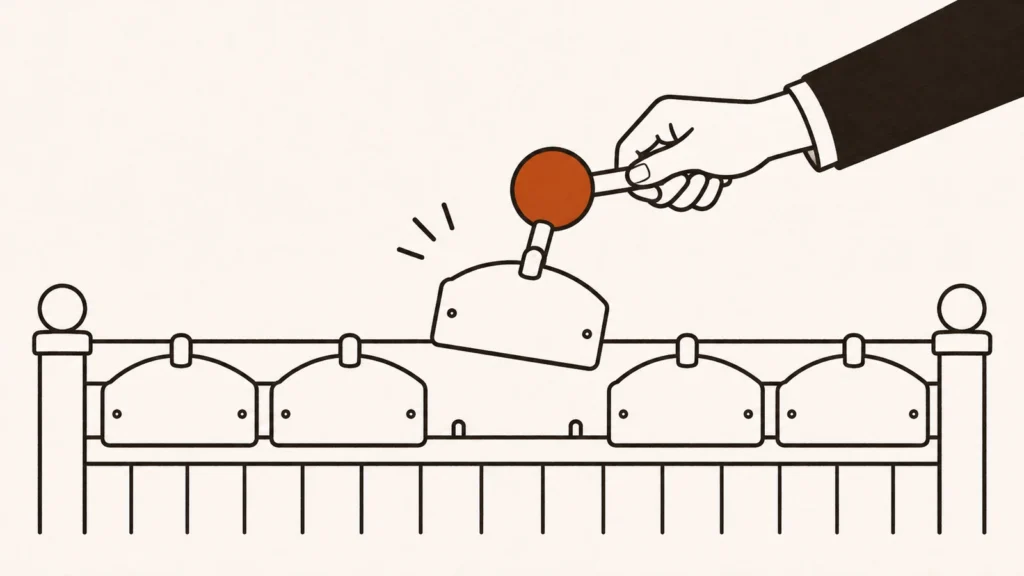
Domaining, or domain investing, means buying domain names and selling them for more than you paid. Some investors register new names they think businesses will want; others buy expiring or expired domains at auction. Marketplaces list your names for sale, handle payment through escrow and transfer the domain to the buyer.
In this guide
- What domaining is
- How domain buying and selling works
- What domaining really pays
- The kinds of domaining platforms
- How to choose a platform
- Your first steps
- Costs, taxes and risks
- Red flags to watch for
- How to build your skills
- Recommended resources
- Owen’s take
- FAQ
1. What domaining is
Every website needs a name, and good names are scarce. That scarcity is what domain investors trade on. A short, memorable .com that a business wants can sell for far more than its registration cost; most names never sell at all.
The pool is huge. Verisign’s Domain Name Industry Brief counted 401.6 million registered domain names at the end of June 2026, including 166.6 million .com names. Finding the few worth buying, at the right price, is the whole skill.
Domaining is closer to investing than to a job. You put money in upfront, wait, and earn when a name sells, which might be months or years later. That makes it different from almost every other eSide hustle, and it suits patient people who enjoy research.
The kinds of names investors buy
Most portfolios mix a few kinds of names. Keyword names describe what a business does, such as a product or service plus a word. Brandable names are short, invented or unusual words that a startup could build a brand on. Geo names combine a place and a service. Expired SEO domains are bought for the links and history they carry, mostly by people who build websites. Each kind has different buyers and sells in different places, so decide early which you want to focus on.
2. How domain buying and selling works
There are three main ways to acquire names.
New registration. You register an available name at a registrar for the normal yearly fee. It’s cheap, but most obvious good names are already taken.
Expiring and expired domains. When owners don’t renew, names go through auctions and backorders before being released. Platforms such as DropCatch, NameJet and SnapNames let you bid on or catch them. Some expired domains come with links and traffic from their previous use, which matters to SEO buyers.
Aftermarket purchases. You buy from another owner through a marketplace or directly.
To sell, you list names on marketplaces such as Sedo, Afternic, Atom or Dynadot. Many of them share listings with registrar partners, so a buyer searching for a name at a registrar sees your price. When a sale happens, payment goes through escrow and the domain moves to the buyer.
3. What domaining really pays
The honest picture: most names in most portfolios never sell, and the ones that do have to pay for all the rest.
Your profit depends on three numbers:
- What you paid. Registration fee, auction price or aftermarket price.
- What you spend to hold it. Yearly renewals add up across a portfolio.
- What the marketplace keeps. Sedo, for example, charges sellers 10%, 15% or 20% depending on how and where the name sells.
A few patterns hold:
- Shorter, clearer names sell better. One or two real words, easy to spell, in .com.
- Prices are negotiated. Most sales are agreed through offers, not fixed prices.
- Time matters. A good name can take years to find its buyer.
Pricing your names
Pricing is the hardest part. Set it too high and buyers move on; too low and you leave money behind. Look at reported sales of similar names, in the same extension and length, before setting a price. Many investors set a fixed Buy Now price on lower-value names, so buyers can purchase instantly, and use Make Offer on their best names. Whatever you choose, keep prices consistent across marketplaces so buyers don’t see different numbers.
Parking and sales landers
While a name waits for a buyer, you can point it to a parking page that shows ads, or to a sales lander that says the name is for sale and shows the price. Parking income is small for most names today. A clear sales lander usually does more good, because someone who types your domain is a potential buyer.
4. The kinds of domaining platforms
Marketplaces for selling
List names for sale, often across registrar networks.
- Sedo, Afternic and Atom for brandable names
- Dynadot and Namecheap Market for sales inside the registrar
- Sudos to list a portfolio across several marketplaces
Expired domain auctions and backorders
Bid on names as they expire.
Research tools and lists
Find and screen expiring names before you bid.
- ExpiredDomains.net for a free database of expiring names
- SpamZilla to check history and spam signals
- DomainSmoke for daily picks and Domain Coasters for pre-screened expired domains
Web3 names
Blockchain-based names and tokenised domains, a newer and riskier corner.
- ENS, Unstoppable Domains, Freename and Namefi
Learning and news
- GoDaddy Domain Academy for a self-paced course
- DomainInvesting for sales reports and industry news
5. How to choose a platform
Ask five questions first.
- What kind of names do you hold? Brandable names, keyword names and expired SEO domains sell in different places.
- What’s the commission? Compare seller fees, including higher rates for sales through partner networks.
- How wide is the reach? Marketplaces that show your names at registrars reach more buyers.
- Does it support fast transfer? Names ready for instant transfer often sell more easily.
- How do you get paid? Check payout methods, currencies and timing.
Many investors list the same names on two or three marketplaces at consistent prices.
6. Your first steps
- Learn by watching. Follow sales reports for a few months before buying anything.
- Set a budget. Decide what you’ll spend on names and renewals each year, and stick to it.
- Start small. A handful of carefully chosen names teaches more than a hundred random ones.
- Check every name. Trademarks, past use in the Wayback Machine and spelling problems all matter.
- List everywhere sensible. Use marketplaces with registrar distribution and set clear prices.
- Review yearly. Drop names that get no interest before renewal comes round again.
Checking an expired domain before you bid
Before bidding on any expired name, look at what it was used for. The Wayback Machine shows past versions of the site; a history of spam, gambling or adult content can follow the domain. Check whether the name was used for a real business that might still hold a trademark. For SEO buyers, review the links pointing to it: a few relevant links from real sites are worth more than thousands from link farms. Finally, check that the name isn’t due to be recovered by its old owner during the grace period.
7. Costs, taxes and risks
Renewals. Every name costs money every year. A portfolio that doesn’t sell slowly drains your budget.
Auction overspending. Auctions are exciting, and it’s easy to bid past your limit. Set a maximum before you start.
Trademarks. Buying names that include brand names can lead to legal disputes and loss of the domain. Check trademark databases before buying.
Taxes. Domain sales are usually taxable. Whether they count as business income or capital gains depends on your country and how often you trade.
Web3 risk. Blockchain names and tokens are newer, less regulated and can lose value quickly.
8. Red flags to watch for
- “Appraisals” that come with a sales pitch. Paid valuations that promise high value are often a funnel to sell you services.
- Buyers who ask you to pay a fee first. Real buyers don’t ask sellers to pay for valuations or certificates.
- Escrow sites you’ve never heard of. Use the marketplace’s own escrow or a well-known service.
- Too-good-to-be-true expired domains. Check history for spam, penalties or misuse before bidding.
- Courses promising quick flips. Domaining is slow; anyone selling fast riches is selling the course.
9. How to build your skills
- Study sales data. Weekly sales reports show what sells, for how much and in which extensions.
- Learn how expired auctions work. Timing, backorders and drop schedules decide who gets the name.
- Learn basic SEO. For expired domains, links and history are a big part of the value.
- Understand trademark basics. It protects you from expensive mistakes.
- Track your portfolio. Purchase price, renewal date, listing price and enquiries for every name.
10. Recommended resources
These are listed in our Resources section and in this Area.
- GoDaddy Domain Academy, in this Area, for a structured introduction to domain investing
- DomainInvesting, in this Area, for news and sales reports
- Wise, in Resources, for receiving international sale payments at a lower cost
11. Owen’s take
Domaining rewards patience and discipline more than luck. The investors who last treat renewals as the real cost of the business, buy fewer and better names, and let go of the ones that don’t get interest. Watch the market for a few months before you spend anything, set a yearly budget you can lose without worry, and remember that a portfolio is only worth what someone actually pays.
FAQ
Can you really make money flipping domains?
Some people do, but most names never sell. Profits come from a few good sales covering the cost of everything else.
Where do I sell a domain name?
Marketplaces such as Sedo, Afternic and Atom list names for sale and handle escrow and transfer.
What is an expired domain?
A domain its owner didn’t renew. Many go to auction before being released for anyone to register.
How much does Sedo charge to sell a domain?
Sedo charges sellers 10%, 15% or 20%, depending on the type of sale and where it happens.
Do I pay tax on domain sales?
Usually yes. How it’s taxed depends on your country and how often you buy and sell.
Sources
- Verisign, “DNIB.com Reports Internet Has 401.6 Million Domain Name Registrations at the End of the Second Quarter of 2026”: https://investor.verisign.com/news-releases/news-release-details/dnibcom-reports-internet-has-4016-million-domain-name
- Sedo, commission overview: https://sedo.com/us/sedo/farewell-minimum-fee
All 19 Domaining listings
-
Afternic: Sell Domains Through the GoDaddy Network
Afternic is GoDaddy’s domain marketplace. When you list a domain there, it can appear in domain…
-

Atom: A Marketplace Built for Brandable Domain Names
Atom, formerly Squadhelp, is a domain marketplace and registrar focused on brandable names: short, catchy domains…
-
Atom: A Marketplace Built for Brandable Domain Names
Atom, formerly Squadhelp, is a domain marketplace and registrar focused on brandable names: short, catchy domains…
-
Atom: A Marketplace Built for Brandable Domain Names
Atom, formerly Squadhelp, is a domain marketplace and registrar focused on brandable names: short, catchy domains…
-
Domain Coasters: Expired Domains Already Checked for You
Domain Coasters is a marketplace that buys expired domains with useful backlink profiles, screens them for…
-

DomainInvesting.com: Learn From the Domain Industry Daily
DomainInvesting.com is an award-winning publication about the business of domain name investing. It’s written by a…
-

DomainSmoke: Expired Domain Picks in Your Inbox
DomainSmoke is a domain investing newsletter that has published daily lists of expiring and expired domains…
-
DropCatch: Catch Expiring Domains as They Drop
DropCatch is a drop-catching service for expiring domain names. When a domain isn’t renewed and goes…
-
Dynadot: A Low-Fee Marketplace and Auctions for Domains
Dynadot is a domain registrar with a busy aftermarket. Owners can list domains for a fixed…
-

ENS: .eth Names on Ethereum
The Ethereum Name Service, ENS, lets you register .eth names, such as alice.eth, that point to…
-
ExpiredDomains.net: The Free Starting Point for Expired Names
ExpiredDomains.net is a free search tool that lists domains that are expiring, recently deleted or up…
-
Freename: Own a Web3 Extension and Earn Royalties
Freename is a domain platform that sells Web3 top-level domains, such as a custom extension like…
-

GoDaddy Domain Academy: A Full Course in Domain Investing
GoDaddy Domain Academy, formerly DNAcademy, is a self-paced course on buying, valuing and selling domain names.…
-
Namecheap Market: Sell Your Domains Inside Namecheap
Namecheap is one of the largest domain registrars, and its Market lets customers resell domains registered…
-

Namefi: Real Domains, Held and Traded as Tokens
Namefi tokenizes real ICANN domains, such as .com, .ai and .io, so their ownership is represented…
-
NameJet: Backorder Expiring Domains and Bid in Auctions
NameJet is a long-running service for buying expiring and expired domain names. You place backorders on…
-
Sedo: A Global Marketplace for Selling Domain Names
Sedo is a domain marketplace based in Cologne, Germany, and one of the oldest places to…
-
SnapNames: Catch Expiring Domains Before They Drop
SnapNames is a domain backorder and auction platform owned by Newfold Digital, the group behind Web.com,…
-
SpamZilla: Vet Expired Domains Before You Buy
SpamZilla is a research tool for finding expired domains with real SEO value. It pulls in…
-
Sudos: One Dashboard to List Your Domains Everywhere
Sudos is a domain portfolio management tool from WeSpirit LLC, a Wyoming company that raised seed…
-

Unstoppable Domains: From Web3 Names to an Investor Registrar
Unstoppable Domains started as a seller of blockchain-based Web3 domains, such as .crypto and .x. In…