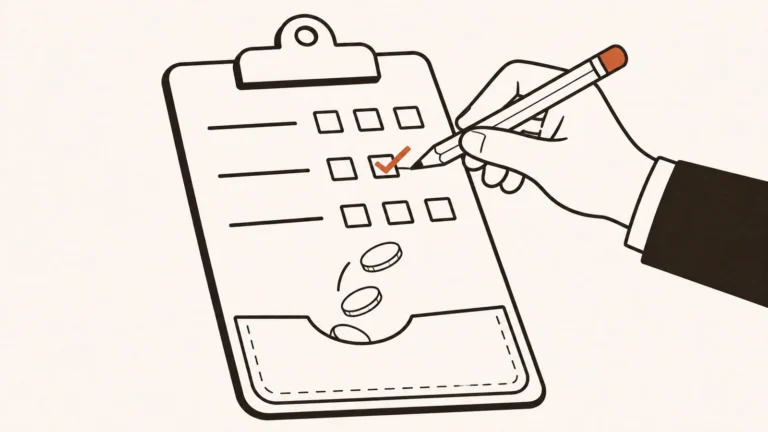
Fast money covers the eSide hustles you can start today with no special skills: paid surveys, rewards apps, cashback, receipt scanning, microtasks and AI training work. Most pay small amounts for short tasks, often a few cents to a few dollars at a time. A few, especially AI training platforms, pay proper hourly rates to people who qualify.
See all 45 Fast Money listings
In this guide
- What fast money is
- How these platforms work
- What fast money really pays
- The kinds of fast money platforms
- How to choose a platform
- Your first steps
- Costs, taxes and risks
- Red flags to watch for
- How to build your skills
- Recommended resources
- Owen’s take
- FAQ
1. What fast money is
Fast money is about low barriers, not high pay. You sign up, answer a few profile questions and start earning in minutes, from your phone or laptop, whenever you have spare time. That’s what makes these platforms popular, and also what makes them easy to overrate.
Think of this Area as three different things that share a home. The first is pocket money: surveys, reward points and games that pay a little for your attention. The second is savings: cashback and coupons that give you money back on things you’d buy anyway. The third is real work: microtasks and AI training, where you’re paid for careful, skilled effort and some people earn steady hourly income.
Knowing which of the three you’re looking at tells you what to expect.
2. How these platforms work
Most fast money platforms are paid by someone else for your time, attention or data.
- Survey panels are paid by market research firms for your answers, and share part of that with you.
- Rewards sites are paid by advertisers when you try an app, sign up for a service or play a game to a certain level.
- Cashback sites earn a commission when you shop through them and pass some of it back to you.
- Microtask and AI platforms are paid by companies that need humans to label data, check answers or rate AI responses.
You usually earn points or a balance, then cash out to PayPal, a bank or gift cards once you reach a minimum. Minimums and payout times vary a lot, so check them before you put in hours.
Points, coins and real money
Many platforms pay in points, coins or “bucks” instead of dollars. That’s fine, but always check the conversion rate: 100 points might be worth $1 on one site and 10 cents on another. Gift cards often unlock at lower thresholds than PayPal cash, and some sites add a small bonus for choosing them. If you’d spend at that store anyway, a gift card is as good as cash; if not, wait for the cash option.
3. What fast money really pays
The honest answer for surveys and rewards apps is: not much per hour. You’ll often be screened out of surveys after answering several questions, and offers can take days to credit.
Some platforms set clear pay floors. Prolific, the research platform in our User Testing Area, requires researchers to pay at least £6 or $8 an hour and recommends £9 or $12. Most consumer survey sites don’t publish a rate at all.
AI training is different. Platforms such as DataAnnotation and Outlier pay by the hour, with higher rates for coding, maths and professional expertise. The catch is availability: work comes project by project and can dry up without notice.
Cashback works best as savings, not income. It’s worth using on purchases you’d make anyway; it’s never worth buying something just to earn it.
Screen-outs and pending balances
Two things eat into survey and rewards earnings. Screen-outs happen when a survey decides, partway through, that you’re not in its target group; some panels pay a small consolation, many pay nothing. Pending balances happen on offers and cashback, where your reward waits until the advertiser or store confirms the purchase, sometimes for weeks. Count only confirmed money when you judge a platform.
4. The kinds of fast money platforms
Survey panels
Share your opinions for points or cash.
- Survey Junkie, Branded Surveys, YouGov, Opinion Outpost and Survey Club
- Global panels: LifePoints, Toluna Influencers, Ipsos iSay and Rakuten Insight
- Invitation-only: Pinecone Research
- Mobile apps: Google Opinion Rewards, Eureka Surveys and Qmee
Rewards sites and apps
Earn points for surveys, offers, games and videos.
- Swagbucks, InboxDollars, MyPoints, PrizeRebel and Ysense
- Freecash, KashKick and Mistplay for game rewards
- Microsoft Rewards for searching and daily activities
Cashback and savings
Get money back on shopping.
- Rakuten, TopCashback and ShopBack for online stores
- Ibotta, Fetch and Upside for groceries, receipts and gas
- PayPal Honey and Coupons.com for coupons
Microtasks and AI training
Paid tasks that need care and, often, skill.
- DataAnnotation, Outlier and TELUS Digital AI Community for AI training and rating
- Appen, Clickworker and Microworkers for data and microtasks
- Enroll for very short design tests
Passive data apps
Earn for sharing data or letting an app run in the background.
Crypto faucets
Tiny amounts of cryptocurrency for simple actions.
Challenges and stakes
You put money in and win only if you succeed. Treat these with care.
- HealthyWage for weight loss bets and 1v1Me for staking on gamers
5. How to choose a platform
Ask five questions first.
- Is it open where you live? Many panels only accept certain countries.
- What’s the minimum cashout? Low minimums let you test payment before you invest more time.
- How does it pay? PayPal, bank, gift cards or crypto. Pick methods you can actually use.
- Does it publish its rates? Platforms that show pay per hour or per task are easier to judge.
- What does it ask for? Some apps want location or browsing data. Decide what you’re comfortable sharing.
Most people do better with two or three platforms they understand than ten they barely use.
6. Your first steps
- Use a separate email. Survey and rewards sites send a lot of messages.
- Fill in every profile question. Panels use your profile to match surveys; better matching means fewer screen-outs.
- Cash out early once. Reach the minimum, withdraw, and confirm the platform really pays before going further.
- Track your time. Divide what you earned by the hours spent to see your real rate.
- Keep the best, drop the rest. After two or three weeks, focus on the platforms that pay you most for your time.
- If you have a skill, try AI work. Strong writers, coders and subject experts can earn far more there than on surveys.
Getting into AI training work
AI training platforms usually start with an assessment rather than a CV review. Take it seriously: set aside quiet time, read every instruction and check your answers before submitting. Some platforms allow only one attempt. Once you’re in, expect detailed guidelines for every project and quality checks on your work. Keep accounts on two or three platforms, because projects open and close without much warning.
7. Costs, taxes and risks
Your time is the main cost. Surveys and rewards rarely cost money, but they can take hours for little return.
Your data. Many of these platforms collect personal information. Read the privacy policy, especially for apps that track location or browsing.
Spending traps. Offer walls often reward you for signing up to paid services or making in-app purchases. Only do it if you’d want the service anyway, and cancel trials on time.
Taxes. Cash from surveys, rewards and microtasks is generally taxable income, even in small amounts. Cashback on your own purchases is usually treated as a discount, but rules vary by country.
Account closures. Using VPNs, multiple accounts or false profile answers can get your account closed and your balance cancelled.
8. Red flags to watch for
- Paying to unlock tasks. The FTC reports that task scams, where you “earn” by liking videos or rating products and then must deposit money to unlock more, made up nearly 40% of job scam reports in the first half of 2024.
- Unexpected job texts or WhatsApp messages. Real platforms don’t recruit that way.
- Earnings you can’t withdraw. A balance that keeps growing but never pays out is a warning sign.
- Requests for crypto deposits. Legitimate survey and task sites pay you; they don’t ask you to send money.
- Promises of big daily income. No survey site pays a full-time wage.
9. How to build your skills
Most of this Area needs no skills, but a few can lift your earnings a lot.
- Write clearly. AI training and many microtasks reward precise, careful writing.
- Learn basic coding or a specialist subject. Coding, maths, science, law and medicine open the best-paid AI projects.
- Read guidelines properly. On AI and rating platforms, following detailed instructions is the job.
- Use a spreadsheet. Tracking time and earnings shows which platforms deserve your hours.
10. Recommended resources
These are listed in our Resources section.
- Coursera for introductions to AI, data and programming
- Alison for free short courses in writing and digital skills
11. Owen’s take
Fast money is useful in small doses. Cashback on shopping you’d do anyway is free money. A survey app is fine for the bus ride home. But if you find yourself spending evenings on rewards sites, look at your real hourly rate, and then look at AI training or a skill you could sell instead. And the moment any “job” asks you to pay to keep earning, walk away.
FAQ
What is the fastest way to make money online?
Survey and rewards apps let you start today, but pay little. Cashing out often takes a few days.
Do survey sites really pay?
Legitimate ones do, but usually small amounts. Check the minimum payout and cash out once early to confirm.
Is AI training work legit?
Platforms such as DataAnnotation and Outlier pay real money, but work comes and goes, and you have to pass their tests.
Is cashback taxable?
Cashback on your own purchases is usually treated as a discount, not income, but rules vary by country.
What is a task scam?
A fake job where you “earn” for simple tasks but must deposit money to unlock more. You never get it back.
Sources
- Prolific, “Prolific’s payment model”: https://researcher-help.prolific.com/en/articles/445230-prolific-s-payment-model
- FTC, “Paying to get paid: gamified job scams drive record losses” (December 2024): https://ftc.gov/news-events/data-visualizations/data-spotlight/2024/12/paying-get-paid-gamified-job-scams-drive-record-losses
All 45 Fast Money listings
-

1v1Me: Staking on Pro Gamers in Daily Matches
1v1Me started as a platform where gamers could challenge each other for cash. Today it focuses…
-

Appen: Remote Projects That Help Train AI
Appen is an Australian AI data company, founded in 1996 and listed on the Australian Securities…
-

Branded Surveys: Paid Surveys With a Low Cash-Out
Branded Surveys is a paid survey site and app run by Branded Research, Inc. since 2012,…
-

Clickworker: Microtasks With Weekly Payouts
Clickworker is a German microtask platform that pays a global crowd of workers for small online…
-

Cointiply: A Bitcoin Faucet With Surveys and Offers
Cointiply is one of the best-known crypto reward sites. It pays you in its own coins…
-

Coupons.com: Manufacturer Coupons for Groceries and Household Items
Coupons.com is one of the oldest digital coupon sites in the US. Founded in 1998, it…
-

DataAnnotation: Remote AI Training Work
DataAnnotation, also written DataAnnotation.tech, is a platform that pays freelancers to help train AI models. The…
-

Enroll: Quick Design Tests That Pay Small Amounts by PayPal
Enroll is a design testing service from ZURB, the product design company. Companies use it to…
-

Eureka Surveys: Quick Surveys on Your Phone
Eureka Surveys is a mobile app run by SocialLoop, LLC that pays for short surveys, daily…
-

FaucetPay: Where Faucet Earnings Add Up
FaucetPay is a crypto micro wallet. Faucets and reward sites pay tiny amounts, often too small…
-

Fetch: Points for Every Receipt You Scan
Fetch, formerly Fetch Rewards, is a U.S. app that gives you points for photographing your shopping…
-

FreeBitco.in: One of the Oldest Bitcoin Faucets
FreeBitco.in launched in 2013 and is still running. Once an hour, you solve a captcha and…
-

Freecash: Coins for Offers, Games and Surveys, Paid Worldwide
Freecash is a get-paid-to platform run by Almedia GmbH, a company based in Germany. Members earn…
-

FreeOMI: A Faucet Built Only for OMI
FreeOMI is a crypto faucet that pays in a single token: OMI, the token used in…
-

Google Opinion Rewards: Small Rewards for Very Short Surveys
Google Opinion Rewards is Google’s own survey app. It sends you occasional short surveys, usually a…
-

HealthyWage: A Cash Incentive for a Weight Loss Goal
HealthyWage runs challenges where people bet money on reaching a weight loss goal within a set…
-

Ibotta: Cash Back on Groceries and Everyday Purchases
Ibotta is a US cash back app focused on groceries, household items and everyday shopping. Brands…
-
InboxDollars: Cash Rewards for Surveys, Games and Offers
InboxDollars is a rewards site that pays members in cash rather than points for surveys, games,…
-

Ipsos iSay: Surveys From One of the Biggest Research Firms
Ipsos iSay is the rewards community of Ipsos, a French market research company founded in 1975.…
-

KashKick: Rewards in Dollars for Games, Surveys and Offers
KashKick is a rewards platform that pays members for completing offers from brands, mostly reaching milestones…
-

LifePoints: A Global Survey Panel Run by Kantar
LifePoints is an online survey panel operated by Kantar, one of the world’s largest market research…
-

Microsoft Rewards: Points for Things You May Already Do
Microsoft Rewards is Microsoft’s free loyalty programme. You earn points for searching with Bing, completing daily…
-

Microworkers: Small Paid Tasks Open Worldwide
Microworkers is a microtask marketplace that has been running since 2009. Employers post small online jobs,…
-

Mistplay: Get Rewarded for Playing Mobile Games
Mistplay is a rewards app for mobile gamers, run by Mistplay Inc. in Montréal since 2015.…
-
MyPoints: Rewards for Shopping, Surveys and Everyday Tasks
MyPoints is one of the oldest rewards sites online. It was founded in 1996 and has…
-

Nielsen Computer & Mobile Panel: Points for Normal Device Use
Nielsen is a research company founded in 1923 and best known for TV ratings. Its Computer…
-

Opinion Outpost: A Straightforward Survey Panel
Opinion Outpost is a paid survey panel for U.S. residents aged 17 or over, owned and…
-

Outlier: AI Training Projects from Scale AI
Outlier is the contributor platform of Scale AI, the data company in which Meta bought a…
-

PayPal Honey: Automatic Coupon Codes at Checkout
PayPal Honey is a free browser extension that looks for coupon codes when you reach checkout…
-

Pinecone Research: The Invite-Only Survey Panel
Pinecone Research is a market research panel that only accepts members by invitation or during limited…
-

PrizeRebel: A Long-Running Get-Paid-To Site
PrizeRebel is a get-paid-to site that says it has been running since 2007. Members earn points…
-

Qmee: Cash Out Any Amount, Any Time
Qmee is a survey app and website that pays in cash rather than points. Its standout…
-

Rakuten Insight: The Survey Panel of the Rakuten Group
Rakuten Insight is the market research panel of the Japanese Rakuten group, the same company behind…
-

Rakuten: Cash Back on Shopping You Already Do
Rakuten, formerly Ebates, is one of the largest cash back shopping sites in the US. When…
-

ShopBack: Cash Back From Singapore to the U.S.
ShopBack is a cash-back platform founded in Singapore in 2014. It operates in several Asia-Pacific countries,…
-

Survey Club: Matched Paid Research Opportunities
Survey Club is a research recruitment site that matches members with paid opportunities: online surveys, focus…
-

Survey Junkie: A Surveys-Only Site With a Low Cash Out
Survey Junkie is a paid survey site that focuses on one thing: market research surveys. There…
-

Swagbucks: Points for Surveys, Shopping and Games
Swagbucks is one of the longest-running rewards sites. Since 2008 it has paid members in points,…
-

Tapestri: Payments for Sharing Your Location Data
Tapestri is an app that pays users for sharing their location data. It runs in the…
-

TELUS Digital AI Community: Rater and Data Work Worldwide
The TELUS Digital AI Community is a network of more than a million freelance contributors who…
-
Toluna Influencers: A Survey Community With Polls and Games
Toluna Influencers is the survey panel of Toluna Group, a market research company that has run…
-
TopCashback: Cash Back on Online Shopping
TopCashback is a cash-back site founded in the UK in 2005, now with sites for the…
-

Upside: Cash Back at the Pump and the Grocery Store
Upside, formerly GetUpside, is a U.S. app that pays cash back on gas, groceries and restaurant…
-

YouGov: Surveys From a Polling Firm You’ve Heard Of
YouGov is a public opinion and market research company founded in 2000, with its head office…
-

Ysense: A Get-Paid-To Site That Counts in Dollars
Ysense is a get-paid-to site where you earn from surveys, cash offers, small tasks and referrals,…
Guides on Fast Money
-
10 Signs of an Online Side Hustle Scam
The clearest signs of a side hustle scam are being asked to pay to start, promises of big money for little work, unsolicited job…
-
Best Paid Survey Sites in 2026: What They Really Pay
The best paid survey sites in 2026 are the ones that pay reliably, let you cash out at a low minimum and don’t waste…
-
Best Microjob Sites for Quick Cash in 2026
The best microjob sites in 2026 are Clickworker for classic microtasks, AI training platforms such as Outlier, DataAnnotation, TELUS Digital and Appen for better-paid…
-
Best Cash Back Apps in 2026: How They Work
The best cash back apps in 2026 are Rakuten and TopCashback for online shopping, Ibotta and Fetch for groceries, and Upside for gas and…