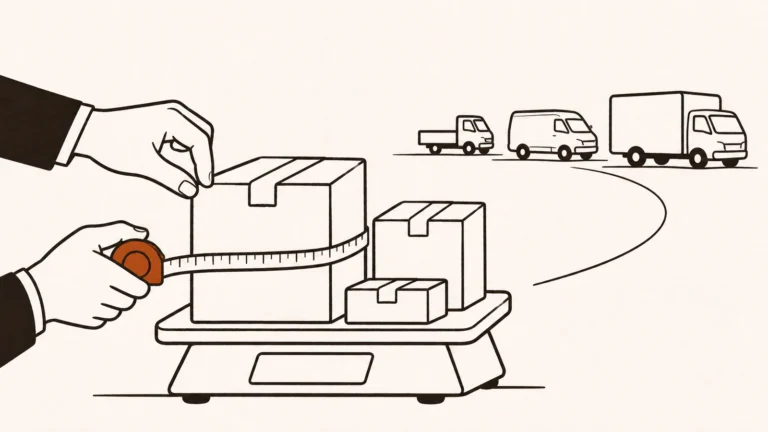
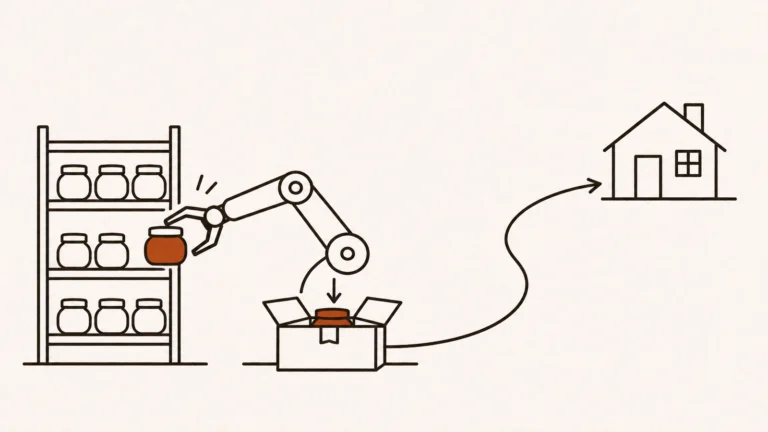
Ecommerce as an eSide hustle means selling physical or digital products online, either from your own store or through big marketplaces that already have millions of shoppers. You choose what to sell, list it, take orders and get it to customers, or pay a service to handle delivery for you. It’s one of the most flexible ways to build an online business, and one of the most competitive.
In this guide
- What ecommerce is
- How online selling works and how you get paid
- What ecommerce really pays
- The kinds of ecommerce platforms
- How to choose a platform
- Your first steps
- Costs, taxes and risks
- Red flags to watch for
- How to build your skills
- Recommended resources
- Owen’s take
- FAQ
1. What ecommerce is
Online shopping keeps taking a bigger share of retail. In the US, the Census Bureau estimated that ecommerce made up 17.1% of total retail sales in the second quarter of 2026, seasonally adjusted, with online sales growing much faster than retail as a whole.
You can sell online in several ways:
- Your own store, built on a platform such as Shopify, Squarespace or Ecwid
- Big marketplaces such as Amazon, Walmart and Etsy, where shoppers already search
- Social commerce, selling through videos and live streams on TikTok Shop
- Handmade and art marketplaces for makers and artists
- Expert advice and niche models, where you earn by helping shoppers or selling access to an email list
What you sell can be your own products, products you source from suppliers, handmade goods, art, or digital files.
Who it suits
Ecommerce suits people who enjoy products, customers and numbers. Selling well means understanding margins, stock, shipping, marketing and customer service. It can start small, from a spare room, and grow into a real business.
2. How online selling works and how you get paid
The basic steps are similar wherever you sell.
- Choose what to sell. Your own products, sourced goods or handmade items.
- Set up where you’ll sell. A store, a marketplace account or both.
- List your products. Photos, descriptions, prices and stock levels.
- Bring in buyers. Marketplaces send search traffic; your own store needs marketing.
- Fulfil orders. Pack and ship yourself, or use a fulfilment service.
- Get paid. Platforms collect payment, deduct fees and pay out on a schedule.
Own store or marketplace. Your own store gives you control over branding, pricing and customer data, but you must find every customer. Marketplaces bring shoppers to you, but charge fees on each sale and set the rules.
Fulfilment options. You can ship orders yourself, use a marketplace’s fulfilment programme, such as Fulfillment by Amazon, or work with a third-party warehouse.
Choosing a fulfilment method
Shipping orders yourself keeps costs low and lets you check every package, but it takes time and limits how fast you can grow. Marketplace fulfilment programmes store your stock and ship for you, often with faster delivery badges, in exchange for fulfilment and storage fees. Third-party warehouses work across several channels at once. Many sellers start by shipping themselves, then move to a fulfilment service once orders become steady.
3. What ecommerce really pays
Revenue isn’t profit. What you keep depends on your margins after every cost.
Amazon offers two selling plans on its US store: an Individual plan at $0.99 per item sold, or a Professional plan at $39.99 a month. Both pay referral fees on each sale, which Amazon says vary by category, with most between 8% and 15%. Fulfilment and other fees can come on top.
A few patterns hold:
- Margins matter more than sales. After product cost, fees, shipping, returns and ads, many products earn little.
- Marketplace fees add up. Referral, listing, payment and fulfilment fees all take a share.
- Your own store has different costs. A monthly plan, apps, payment processing and marketing.
- Advertising can eat profits. Paid traffic is often the biggest cost for new stores.
- Repeat customers raise profit. It’s cheaper to sell again to someone who already trusts you.
Calculating your real margin
For each product, add the product cost, packaging, shipping, platform fees, payment fees, an allowance for returns and your advertising cost per sale. Subtract that from the price. If little is left, raise the price, cut costs or choose another product.
4. The kinds of ecommerce platforms
Your own online store
- Shopify, the leading platform for building an online store
- Squarespace, a design-led website builder with ecommerce
- Ecwid, which adds a store to an existing website, social pages and marketplaces
- Big Cartel, a simple store builder for artists and makers
Large marketplaces
- Amazon Seller through Seller Central and Fulfillment by Amazon
- Walmart Marketplace for approved sellers on Walmart.com
Handmade, vintage and art
- Etsy for handmade, vintage and digital products
- Amazon Handmade for approved artisans
- DeviantArt, an art community where artists sell downloads, subscriptions and commissions
Social commerce
- TikTok Shop, selling through videos and live streams, with creators earning commission
Advice and niche models
- Curated, which pays gear experts to advise shoppers online
- Udimi, a marketplace where list owners sell email clicks as solo ads
5. How to choose a platform
Ask five questions first.
- Where do your buyers shop? Handmade buyers look on Etsy; everyday goods sell on Amazon and Walmart.
- What will it cost per sale? Add every fee for your product’s price and size.
- How much control do you need? Branding, customer data and pricing freedom favour your own store.
- Who handles fulfilment? You, the marketplace or a warehouse.
- What are the rules? Marketplaces restrict some products and require approval for others.
Many sellers combine a marketplace for sales volume with their own store for brand and repeat customers.
6. Your first steps
- Pick a product you understand. Ideally something you’d buy yourself.
- Check demand and competition. Search marketplaces and see what sells, at what prices.
- Order samples. Check quality before you commit to stock.
- Work out your margin. Include every fee and cost before you set a price.
- Start with one channel. Learn its rules and tools before adding another.
- Take great photos and write clear listings. They do most of the selling.
- Collect reviews and feedback. Improve the product and listings as you learn.
Starting small with stock
Order a small first batch. Selling out and reordering is better than paying to store goods that don’t move. Some sellers start with print on demand or dropshipping to test demand before holding stock.
Customer service as a growth tool
Answer messages quickly, ship on time and make returns easy. Good service brings better reviews, and on marketplaces, better performance metrics can affect how visible your listings are.
Pricing for profit
Start from your full cost per unit, then add the margin you need. Compare with competitors, but don’t race to the lowest price: a slightly higher price with better photos, clearer listings and good service often sells just as well and leaves room for ads, discounts and returns.
7. Costs, taxes and risks
Stock risk. Unsold inventory ties up cash and can cost storage fees.
Fee changes. Marketplaces change fees and rules; check them regularly.
Account suspensions. Breaking marketplace policies can freeze your account and your money.
Returns and fraud. Returns, damaged items and chargebacks reduce profit.
Product rules. Safety standards, labelling, trademarks and restricted categories apply.
Sales tax and VAT. You may need to register and collect tax depending on where you sell. Many marketplaces collect it for you in some regions.
Taxes. Ecommerce profit is usually self-employment or business income. In the US, self-employment tax is 15.3% on top of income tax.
8. Red flags to watch for
- Courses promising easy dropshipping riches. Most profit goes to the course seller.
- Suppliers who won’t send samples. Quality problems become your returns.
- Products using brands or characters you don’t own. They lead to takedowns.
- “Done-for-you” Amazon stores. Many are expensive and break marketplace rules.
- Prices far below competitors with no clear reason. You may not make a profit.
9. How to build your skills
- Learn product research. Demand, competition and margins.
- Learn product photography. Clean, bright photos sell.
- Learn copywriting. Clear titles and descriptions help search and conversion.
- Learn advertising basics. Start small and measure return on each ad.
- Learn bookkeeping. Track costs, fees and profit per product.
10. Recommended resources
These are listed in our Resources section.
- Sharetribe and Mirakl if you want to build your own marketplace
- Wise for paying suppliers and receiving payouts in other currencies
- ClickFunnels and Builderall for sales funnels around your products
- Coursera for courses in ecommerce, marketing and supply chains
11. Owen’s take
Ecommerce rewards the boring parts: margins, stock, shipping and service. The sellers who last pick products they understand, check the numbers before buying stock and build a brand customers come back to. Start on one platform, sell a small batch, learn what your real margin is, and only then scale. Anyone who tells you it’s easy money has usually never paid for a container of products that didn’t sell.
FAQ
How much does it cost to sell on Amazon?
Amazon’s Individual plan costs $0.99 per item sold and its Professional plan $39.99 a month, plus referral fees that are mostly 8% to 15%.
Is it better to sell on a marketplace or my own store?
Marketplaces bring buyers faster; your own store gives control and customer data. Many sellers use both.
How big is ecommerce in the US?
The Census Bureau put ecommerce at 17.1% of total retail sales in the second quarter of 2026, seasonally adjusted.
Do I need a business to sell online?
Not always to start, but you’ll need to report income and may need permits or tax registrations as you grow.
What sells best online?
Products with clear demand, healthy margins and room to stand out from competitors.
Sources
- US Census Bureau, “Quarterly Retail E-Commerce Sales”, via FRED, E-Commerce Retail Sales as a Percent of Total Sales: https://fred.stlouisfed.org/graph/?g=Bebu
- Amazon, “Sell on Amazon: AI information (selling plans and fees)”: https://sell.amazon.com/ai-information
- Amazon, “Learn how to sell with Amazon”: https://sell.amazon.com/learn?os=io.
- Internal Revenue Service, “Self-employment tax (Social Security and Medicare taxes)”: https://www.irs.gov/businesses/small-businesses-self-employed/self-employment-tax-social-security-and-medicare-taxes
All 12 Ecommerce listings
-
Amazon Handmade: A Marketplace for Makers on Amazon
Amazon Handmade is a section of Amazon for genuinely handmade products, from jewellery and home décor…
-
Amazon Seller: Selling Products on Amazon
Third-party sellers make up a large share of what’s sold on Amazon. You open a Seller…
-

Big Cartel: A Simple Online Store for Artists and Makers
Big Cartel is an ecommerce platform built for independent artists, designers and small makers. It lets…
-

Curated: Get Paid to Help Shoppers Choose the Right Gear
Curated is an online store for sports and outdoor gear with a twist: every shopper is…
-

DeviantArt: Sell Digital Art to a Community of Art Fans
DeviantArt is one of the oldest online art communities, home to illustrators, digital painters, photographers and…
-

Ecwid: Add an Online Store to the Website You Already Have
Ecwid, owned by Lightspeed, is an ecommerce platform built to plug into places you already have:…
-

Etsy: Sell Handmade, Vintage and Digital Products
Etsy is one of the biggest marketplaces for independent sellers. It’s known for handmade goods and…
-
Shopify: Build Your Own Online Store and Sell Anywhere
Shopify is the best known platform for building an online store. You pick a theme, add…
-

Squarespace: A Beautiful Website With a Store Built In
Squarespace is a website builder known for polished, design-led templates, with ecommerce built into every plan.…
-
TikTok Shop: Selling and Promoting Inside TikTok
TikTok Shop turns TikTok into a store. Sellers list products that viewers can buy straight from…
-

Udimi: Sell Clicks From Your Email List
Udimi is the best known marketplace for solo ads. A solo ad is a paid email…
-

Walmart Marketplace: Selling on Walmart.com
Walmart Marketplace lets third-party sellers list products on Walmart.com next to Walmart’s own stock. It’s the…
Guides on Ecommerce
-
UPS vs USPS vs FedEx in 2026: Shipping Costs Compared
For small online sellers, USPS is often the cheapest option for light packages, especially with USPS Ground Advantage and discounted commercial rates through shipping…
-
Etsy vs Amazon Handmade: Fees and Which Pays More
On a typical US sale without advertising, Etsy usually takes less: a $0.20 listing fee, a 6.5% transaction fee and payment processing of 3%…
-
Best Ecommerce Platforms for Beginners (2026)
For most beginners, the best ecommerce platform is either a marketplace such as Etsy or Amazon, which brings buyers but takes a fee on…
-
Automated Dropshipping for Niche Markets: A Realistic Guide
Automated dropshipping means running an online store where apps import supplier products, sync stock and prices, and forward orders to suppliers who ship directly…