
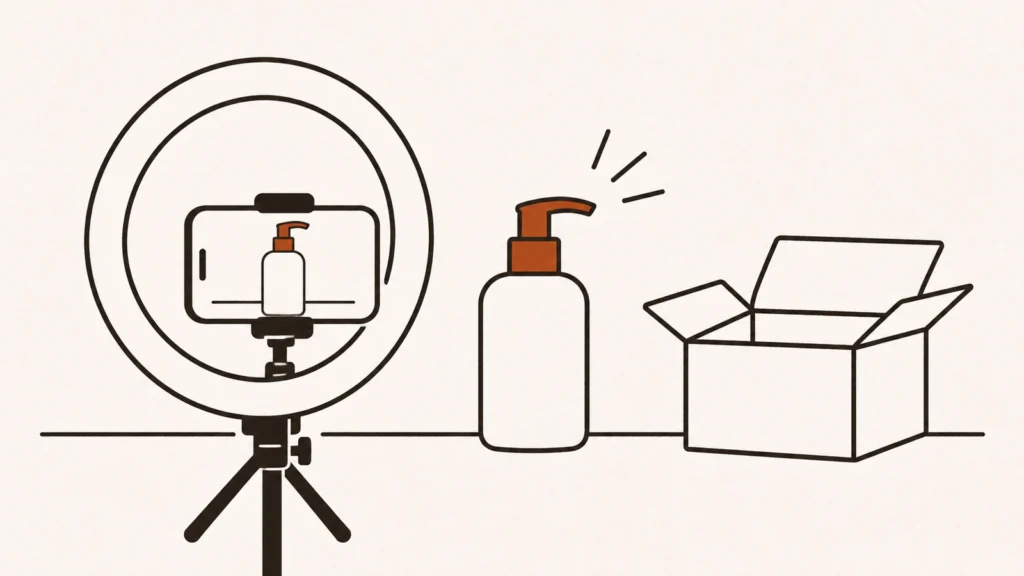
Influencer and UGC work as an eSide hustle means creating photos and videos for brands. Influencers post sponsored content to their own followers. UGC creators, short for user-generated content, make videos that look and feel like real customer content, which brands then use in their own ads and pages, often without the creator posting them at all. Creator platforms connect both with brands and handle payment.
See all 9 Influencer & UGC listings
In this guide
- What influencer and UGC work is
- How creator platforms work and how you get paid
- What influencer and UGC work really pays
- The kinds of creator platforms
- How to choose a platform
- Your first steps
- Costs, taxes and risks
- Red flags to watch for
- How to build your skills
- Recommended resources
- Owen’s take
- FAQ
1. What influencer and UGC work is
Brands know that people trust other people more than adverts. That’s why they pay creators for content that feels real: an unboxing, a quick review, a “how I use it” video or a before-and-after.
There are two main kinds of work:
- Influencer work. You post sponsored content to your own audience. Pay depends heavily on your followers, engagement and niche.
- UGC work. You film content for the brand to use in its own ads, product pages or social accounts. You don’t need a big following, because the brand provides the audience.
Common deliverables include short vertical videos, product photos, testimonials, unboxings, tutorials, voiceovers and raw footage the brand can edit.
Who it suits
UGC suits people who are comfortable on camera, can film and edit simple videos with a phone, and can follow a brief. Influencer work suits people who already have, or want to build, an engaged audience in a clear niche. Both reward reliability: brands come back to creators who deliver on time and need few revisions.
2. How creator platforms work and how you get paid
The process is similar on most platforms.
- You create a profile. Add your niches, demographics, social accounts, rates and examples of your work.
- You apply to campaigns or list packages. Some platforms let brands browse and book your packages; others let you apply to their briefs.
- The brand accepts you. It may send products to use in your content.
- You create and submit the content. Following the brief, often with one or two rounds of revisions.
- The brand approves it. Payment is released, usually from money held in escrow.
- You get paid. The platform deducts its fee and pays out by PayPal, bank or similar.
Usage rights matter. A brand paying for UGC usually wants the right to use your video in ads for a set time. Paid usage rights, whitelisting (running ads from your account) and exclusivity should all increase your price.
Gifted versus paid. Some campaigns only offer free products. Others pay cash plus product. Decide early what you’ll accept.
3. What influencer and UGC work really pays
Rates vary widely by niche, deliverable, usage rights and experience.
Collabstr, a marketplace where creators list their own packages, says joining is free for creators and that it takes a 15% transaction fee when you complete an order. Brands pay a separate hiring fee on top.
Fees differ by platform. Some UGC job boards take a larger share from creators; others charge brands instead. Our JoinBrands review covers one example with a 20% creator fee, reduced on its paid creator plan.
A few patterns hold:
- UGC pays per piece of content. Your followers matter less than your quality and reliability.
- Influencer pay scales with audience. Engagement and niche matter as much as follower count.
- Usage rights add value. Content used in paid ads is worth more than content used once organically.
- Bundles pay more per job. Several videos or hooks in one order raise the total.
- Repeat brands are the real income. Ongoing monthly work beats one-off gigs.
Setting your rates
Start with what similar creators charge on the same platform. Price the base video, then add separate charges for extra hooks, raw footage, rush delivery and usage rights. Raise your rates as your portfolio and repeat clients grow.
4. The kinds of creator platforms
Marketplaces where you list packages
- Collabstr, where influencers and UGC creators list their own packages for brands
UGC video platforms
- Billo, paying creators to film short product videos with no following needed
- soona UGC, formerly Trend, where creators pick brand campaigns and are paid per video
- JoinBrands, listing paid UGC and social jobs
- Brands Meet Creators, connecting UGC and TikTok Shop creators with brands
Campaign platforms for influencers
- Insense, connecting UGC creators and micro-influencers with brands running paid social ads
- Aspire, whose Creator Marketplace lets creators apply to paid and gifted campaigns for free
- #paid, connecting vetted creators with major brands
- Upfluence, with a free Creator Space for being found by brands
5. How to choose a platform
Ask five questions first.
- Do you need followers? UGC platforms often don’t; influencer platforms usually do.
- Who pays the fee? Some take it from creators, others from brands.
- How do they handle payment? Escrow protects you if the brand disappears.
- What rights do brands get? Check usage terms before accepting a job.
- Where are the brands based? Some platforms focus on US brands and creators.
Many creators join several platforms at once, then focus on the ones that send repeat brands.
6. Your first steps
- Pick a niche. Beauty, fitness, tech, home, pets, food, parenting or another area you know.
- Make a portfolio. Film three to five sample videos with products you already own.
- Learn the formats. Hooks, unboxings, testimonials, tutorials and problem-solution videos.
- Create your profiles. Use clear photos, sample videos and simple package prices.
- Apply consistently. Send focused applications that show you understand each brand.
- Deliver on time. Follow every brief closely and communicate early if anything changes.
- Ask for repeat work. Offer a bundle or a monthly package to brands that liked your work.
Writing hooks that work
The first two or three seconds decide whether people keep watching. Start with a problem, a surprising result or a bold claim you can back up. Brands often ask for several hooks for the same video so they can test which performs best in ads.
Building a simple setup
A recent phone, natural light by a window, a cheap tripod and a clip-on microphone are enough for most UGC. Clean backgrounds and clear audio matter more than expensive cameras. Edit in a free mobile app and export in the formats brands ask for.
Building a portfolio without clients
Film sample videos with products you already own, as if a brand had briefed you: an unboxing, a short review, a problem-solution clip and a tutorial. Keep each under a minute, with a strong hook and clear captions. Host them on a simple portfolio page or a dedicated social account so brands can see your range in a few seconds.
7. Costs, taxes and risks
Unpaid work. Spec videos and unpaid trials take time. Limit them to your own portfolio.
Usage rights. Without clear terms, brands may use your face in ads for longer than you expect.
Gifted products. In many countries, gifted products can count as taxable income.
Disclosure rules. In the US, the FTC requires clear and conspicuous disclosure of material connections with brands, including payments and free products, when you post sponsored content.
Platform dependence. Algorithms and platform policies change, affecting influencer reach.
Taxes. Creator income is usually self-employment income. In the US, self-employment tax is 15.3% on top of income tax.
8. Red flags to watch for
- Brands asking you to pay for products upfront with a promise of refund. A common scam pattern.
- Requests to move payment off the platform. You lose escrow protection.
- Fake brand accounts sending links or files. They may be phishing or malware.
- Unlimited usage rights for a tiny fee. Negotiate or decline.
- “Exposure” instead of pay. Gifted work is fine if you choose it, not if it’s sold as a career.
9. How to build your skills
- Learn short-form video. Hooks, pacing, captions and editing.
- Learn basic lighting and sound. They make the biggest difference to quality.
- Learn to read briefs. Brands value creators who follow instructions precisely.
- Learn simple contracts. Usage rights, exclusivity and revisions.
- Study ads. Watch which UGC ads brands keep running; those are the ones that work.
10. Recommended resources
These are listed in our Resources section.
- CreativeLive for classes in video, photography and editing
- Coursera for courses in social media marketing
- Wise for receiving payments from brands in other currencies
11. Owen’s take
UGC is one of the few creator hustles where you don’t need an audience to get paid, which makes it a genuinely accessible start. Treat it like freelance work: a clean portfolio, clear packages, fast delivery and good communication. Charge properly for usage rights, never pay a brand to work with you, and always disclose sponsored posts. The creators who last are the ones brands can rely on, not the ones with the most followers.
FAQ
Do I need followers to do UGC?
No. UGC creators are paid for the content itself, which brands use on their own channels.
How much does Collabstr take from creators?
Collabstr says it takes a 15% transaction fee when you complete an order.
Do I have to disclose sponsored posts?
Yes. In the US, the FTC expects clear and conspicuous disclosure of paid or gifted relationships.
What equipment do I need for UGC?
A recent phone, good light, a tripod and a simple microphone are enough to start.
How do I get my first UGC client?
Build a small portfolio with products you own, then apply to campaigns on UGC platforms.
Sources
- Collabstr, “Frequently Asked Questions”: https://collabstr.com/faq?hl=en-GB
- Collabstr, “Pricing”: https://collabstr.com/pricing
- Revision Legal, “Influencer Marketing and FTC Disclosure Rules”: https://revisionlegal.com/internet-law/influencer-marketing-ftc-disclosure-rules/
- Internal Revenue Service, “Self-employment tax (Social Security and Medicare taxes)”: https://www.irs.gov/businesses/small-businesses-self-employed/self-employment-tax-social-security-and-medicare-taxes
All 9 Influencer & UGC listings
-

#paid: Campaigns With Major Brands
You apply as a creator with your social profiles. Once accepted, you set your rates and…
-

Aspire: Apply to Brand Campaigns, Keep Every Dollar
Aspire is an influencer marketing platform used by e-commerce and consumer brands. Its Creator Marketplace lets…
-
Billo: Paid UGC Videos, No Following Required
Billo is a UGC marketplace where brands order short videos and creators film them from a…
-

Brands Meet Creators: UGC and TikTok Shop Jobs
Brands Meet Creators (BMC) is a New York-based platform that connects brands with UGC and TikTok…
-
Collabstr: A Marketplace Where Creators Set Their Own Prices
Collabstr is an influencer and UGC marketplace where creators list packages, such as an Instagram post,…
-

Insense: UGC for Brands’ Paid Social Ads
Insense is a creator marketplace built around UGC and creator ads for TikTok, Instagram and Meta.…
-

JoinBrands: A Job Board for UGC Creators
JoinBrands is a US-based UGC and creator marketplace founded in 2021. Brands post jobs for videos,…
-

soona UGC: Paid Product Content for Brands (Formerly Trend)
Trend, the UGC marketplace that used to run at trend.io, was acquired by the content studio…
-

Upfluence: Let Brands Find You
Upfluence is an influencer marketing platform that brands use to search for creators, run campaigns and…